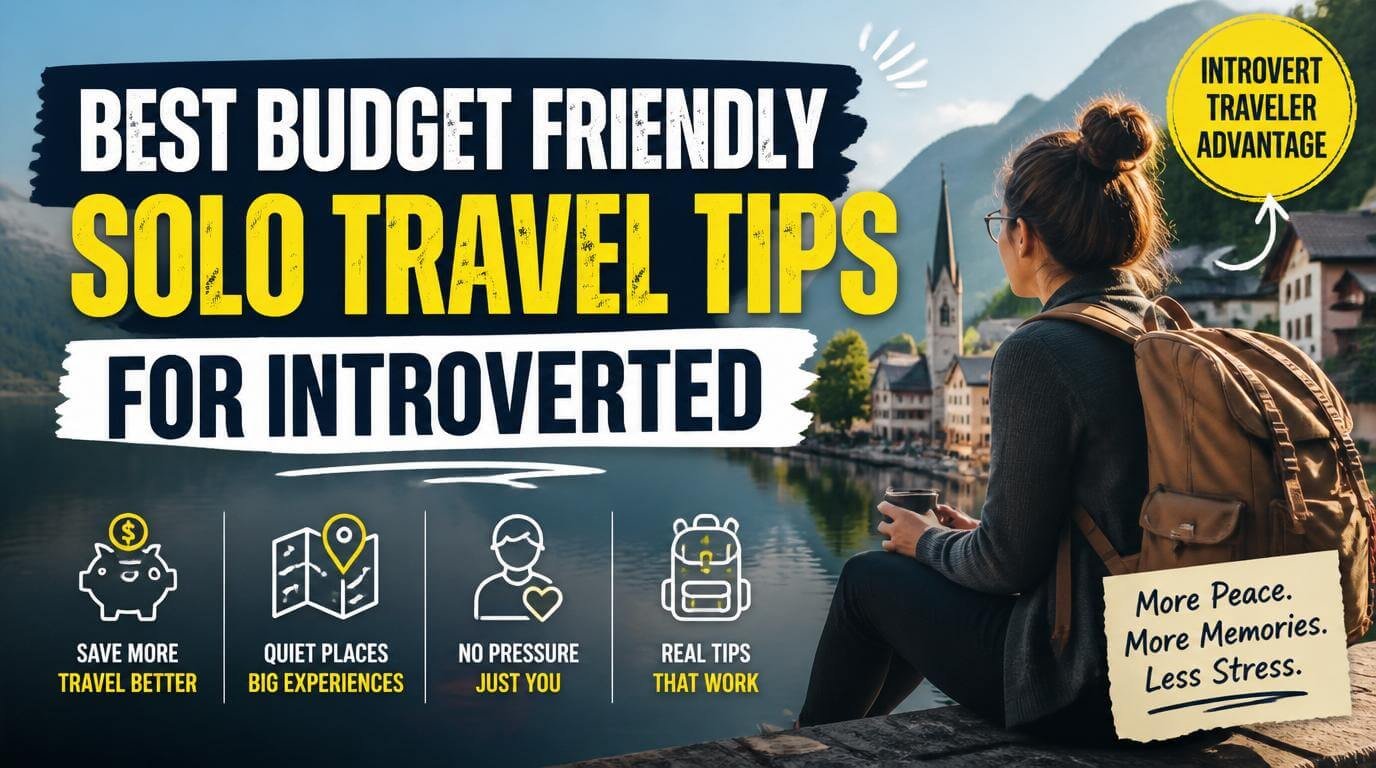
If you’ve ever Googled travel strategies for introverts who dread group tours and crowded hostels, you already know the feeling. That knot in your stomach when someone suggests a 14-person walking tour. The silent panic when your hostel room has eight bunk beds and zero privacy. I spent years thinking I just wasn’t “built for travel” before I realized I was doing it wrong. Not wrong by anyone else’s standards, but wrong for my brain and my nervous system. Here’s everything I’ve learned.
1. Book Private Rooms, Even on a Budget
You don’t need a luxury hotel to get solitude. Most hostels offer private rooms that cost a fraction of hotel prices, and platforms like Hostelworld and Booking.com let you filter for them specifically. I once paid $22 a night for a private room in Lisbon while a hotel across the street charged $90.
The difference a door makes is staggering. After a full day of being “on,” you need a space where you can decompress without small talk. Even guesthouses and Airbnb private rooms work beautifully here. Prioritize a lock on the door and your own bathroom if possible. That small investment in privacy pays back tenfold in energy.
2. Travel During Shoulder Season
Peak season is an introvert’s nightmare. Every attraction is packed, every bus is full, and every café has a wait. Shoulder season, those weeks just before or after peak, gives you the same destinations with half the crowds and lower prices.
I visited Dubrovnik in late October and walked the city walls nearly alone. In July, that same walk involves shuffling shoulder to shoulder with hundreds of cruise ship passengers. Shoulder season also means fewer group tours clogging up popular spots, so you can explore at your own pace without feeling herded. Check climate data for your destination and aim for the overlap between “still pleasant weather” and “most tourists have gone home.”
3. Replace Group Tours With Self-Guided Alternatives
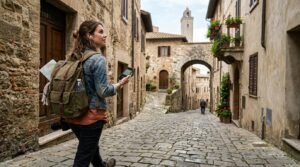
This is one of the most practical travel strategies for introverts who dread group tours. Audio guides, apps like Rick Steves Audio Europe, and downloadable walking tours from GPSmyCity let you get the same cultural context without a guide holding up a numbered flag.
I used a self-guided audio tour through the Gothic Quarter in Barcelona and genuinely learned more than I would have in a group. Why? Because I could pause, sit on a bench, and absorb things without someone rushing me to the next stop. Museums almost always sell individual audio guides or have free apps. Google Arts & Culture also offers virtual previews so you can plan which rooms you actually want to see, skipping the rest entirely.
4. Choose Accommodations With Built-In Solitude
Beyond private hostel rooms, certain accommodation types practically guarantee quiet. Japanese-style capsule hotels give you a tiny pod with a curtain, which sounds claustrophobic but actually feels incredibly private. Farm stays and agriturismos in Italy or rural France put you in the countryside with minimal interaction. Monastery stays exist across Europe and parts of Asia for absurdly low prices.
I stayed at a converted monastery in the hills outside Assisi, and the only sounds were birds and church bells. The host brought breakfast to my door. For roughly $40 a night, I had stone walls, silence, and a view of the Umbrian valley. Websites like MonasteryStays.com and Agriturismo.it are good starting points. Ryokans in Japan offer a similar vibe with the added bonus of private onsen baths.
5. Build Recharge Time Into Every Single Day
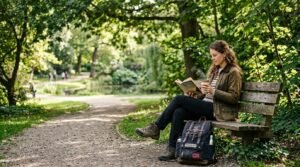
This was my biggest lesson. I used to pack itineraries like I was speed-running a country, then wonder why I felt fried by day three. Now I schedule at least two hours of solo downtime every afternoon. Sometimes that means reading in a park. Sometimes it means going back to my room and lying on the bed staring at the ceiling. Both are valid.
The pressure to “make the most of every moment” is a trap. You’ll remember the quiet afternoon you spent watching boats from a Lisbon terrace more vividly than the third museum you dragged yourself through. Block that time in your calendar app the same way you’d block a reservation. Protect it.
6. Eat at Off-Peak Hours or Get Takeaway
Crowded restaurants drain introverts fast. The noise, the hovering waiter, the pressure to order quickly. One easy fix is shifting your meal times. Eat lunch at 11:30 before the rush or grab dinner at 5:30 when most European restaurants are still empty.
Takeaway is also completely underrated as a travel dining strategy. Some of my best meals abroad have been eaten on park benches or hotel balconies. A banh mi from a street cart in Ho Chi Minh City. A container of fresh pasta from a Roman deli. You skip the social performance entirely and still eat incredibly well. FYI, many countries have excellent convenience store food too. Japanese konbini meals are honestly better than most sit-down restaurants I’ve tried.
7. Use Local Transit Instead of Tour Buses
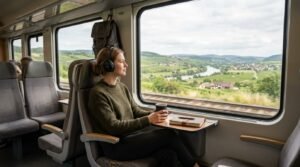
Tour buses are essentially forced socialization on wheels. Public transit, on the other hand, lets you plug in your headphones and exist in comfortable anonymity. Trains are especially great for introverts because you can face the window and watch the landscape roll by without anyone expecting conversation.
I took a regional train from Prague to Český Krumlov instead of booking the popular day tour, and the experience was night and day. No microphone narration, no coordinated bathroom stops, no waiting for 40 people to reboard. Just me, a window seat, and the Czech countryside. Apps like Trainline, Rome2Rio, and Google Maps make it simple to figure out routes in countries where you don’t speak the language.
8. Stay Connected on Your Terms
One fear introverts have about solo travel is feeling isolated, not from crowds but from meaningful connection. The trick is controlling when and how you interact. Apps like Couchsurfing Hangouts and Meetup let you find one-on-one coffee meetups or small gatherings instead of big group events. You can show up, have one good conversation, and leave.
I met a local photographer in Kyoto through a language exchange app, and we spent two hours walking through Arashiyama talking about street photography. No group dynamics, no forced icebreakers. Just two people sharing a genuine interest. That kind of interaction recharges introverts instead of draining them. You’re not anti-social. You just prefer depth over volume.
9. Pick Destinations That Naturally Suit Quiet Travelers
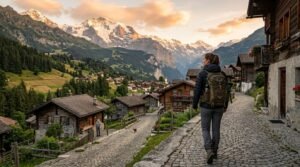
Some places just feel easier for introverts. Scandinavia, for example, has a cultural norm around personal space that feels like a warm hug for anyone who hates crowds. Iceland, rural Japan, New Zealand’s South Island, Portugal’s Alentejo region, and Slovenia are all destinations where solitude comes built in.
Contrast that with places like Times Square, Khao San Road, or Marrakech’s medina, which can feel absolutely overwhelming even for extroverts. I’m not saying avoid those places forever, but if you’re just starting to build confidence as a solo introvert traveler, pick a destination that works with your temperament instead of against it. You can always level up later.
10. Give Yourself Permission to Skip Things
This might be the most important point on this list. You do not have to see every major attraction. You do not have to follow the “Top 10 Things to Do in Paris” list from some travel blog. If the Louvre sounds exhausting, skip it. Go sit in the Jardin du Luxembourg with a croissant instead.
I skipped the Colosseum on my first trip to Rome because the ticket line alone made my palms sweat. I walked through Trastevere for three hours instead and had one of the best days of my entire trip. Travel is supposed to feel good. If an activity fills you with dread, that’s your nervous system telling you something. Listen to it. IMO, the best trips are the ones where you actually enjoy yourself, not the ones with the longest checklist.
Travel Strategies for Introverts: Gear and Tools That Help
A few physical items make introvert travel significantly easier. Noise-canceling headphones like the Sony WH-1000XM5 or AirPods Pro are non-negotiable. They create an instant bubble in airports, trains, and busy streets. A sleep mask and earplugs save you if you end up in a less-than-quiet room. A lightweight Kindle means you always have an escape route, no matter where you are.
I also carry a small journal. Not for anything fancy, just to process the day. Writing for ten minutes before bed helps me sort through the sensory overload that travel inevitably brings. It sounds simple, but it’s one of the most grounding habits I’ve built on the road.
Frequently Asked Questions
Is solo travel actually safe for introverts?
Solo travel is just as safe for introverts as it is for anyone else. Introverts often do better because they tend to observe their surroundings more carefully and avoid risky social situations. Stick to well-reviewed accommodations, share your itinerary with someone back home, and trust your instincts. Your cautious nature is actually an asset here, not a weakness.
What are the best travel strategies for introverts who still want social interaction?
Focus on small, controlled interactions. Language exchange meetups, cooking classes with fewer than six people, and one-on-one tours with local guides all work well. You get meaningful connection without the chaos of large groups. Apps like Meetup and Withlocals help you find these experiences in most major cities worldwide.
Can introverts enjoy hostels at all?
Absolutely, if you pick the right ones. Look for hostels with private rooms, quiet hours policies, and smaller overall capacity. Boutique hostels with 20 to 30 beds total feel completely different from party hostels with 200. Read reviews specifically for noise levels. Websites like Hostelworld show ratings broken down by atmosphere, which helps a lot.
How do I handle travel burnout as an introvert?
Build rest days into your itinerary from the start, not as a backup plan but as a real part of the schedule. When burnout hits mid-trip, spend a full day doing nothing touristy. Do laundry, find a quiet café, watch a movie on your laptop. Treating rest as productive travel time instead of wasted time changes everything.
What destinations should introverts avoid?
No destination is completely off-limits, but some require more mental preparation. Extremely crowded cities during peak festival season, party-focused beach towns, and destinations where aggressive street vendors are common can drain introverts fast. If you do visit these places, plan shorter stays and book accommodations in quieter neighborhoods away from the main tourist zones.
Conclusion
Traveling as an introvert doesn’t mean traveling less. It means traveling smarter, on your own terms, in ways that actually leave you feeling full instead of empty. Every strategy here came from real trial and error, and I wish someone had told me most of this a decade ago. What’s the one thing on this list you’re going to try on your next trip?