

Travel planning for people who get motion sickness on long bus rides feels like solving a puzzle where one wrong move ruins everything. I know because I’ve been that person clutching a plastic bag on a winding mountain road in Peru, swearing I’d never board a bus again. The thing is, I kept traveling. I just got smarter about it. Years of queasy trial and error taught me that the right preparation changes everything, and most advice online barely scratches the surface.
Why Motion Sickness Hits So Hard on Buses
Before you can plan around it, you need to understand what your body is actually doing. Motion sickness happens when your inner ear senses movement but your eyes, often locked on a phone screen or the seat in front of you, tell your brain you’re sitting still. That sensory conflict triggers nausea, dizziness, cold sweats, and sometimes worse.
Buses make this problem especially brutal compared to other vehicles. They sit high off the ground, amplifying the swaying sensation. They brake and accelerate constantly in city traffic. On rural routes, tight curves come one after another. And unlike driving a car yourself, you have zero control over speed or direction, which removes the anticipatory cues your brain relies on to stay calibrated.
The diesel fumes don’t help either. Neither does the recycled air, the passenger next to you eating something pungent, or the fact that most bus windows barely open. Once you accept that buses are basically motion sickness amplifiers on wheels, you can start building a real plan around it.
Pick Your Seat Like Your Stomach Depends on It
Because it literally does. Seat selection is the single most impactful thing you can control, and too many people leave it to chance.
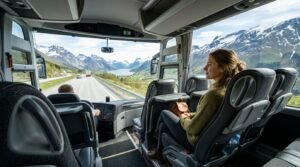
Always grab a seat at the front of the bus, ideally in the first three rows on the right side (driver’s side in most countries). The front experiences less swaying than the back, and sitting near the driver lets your eyes track the road ahead. Your brain gets visual input that matches the motion, which reduces the sensory conflict causing your nausea.
If you can book seats in advance, do it the moment tickets open. Companies like FlixBus, Greyhound, and most Southeast Asian bus operators let you choose your seat online. I always pay extra for seat selection when it’s offered. That $2 to $5 upgrade has saved me more misery than any medication.
Avoid the back row at all costs. The rear of the bus bounces the most, especially over potholes and speed bumps. I learned this the hard way on an overnight bus from Bangkok to Chiang Mai. Never again.
Time Your Meals Carefully Before Boarding
What you eat and when you eat it before a long bus ride matters more than most people realize. An empty stomach makes motion sickness worse because low blood sugar amplifies nausea. But a heavy, greasy meal right before boarding is equally bad.
My sweet spot is eating a light, bland meal about 90 minutes before departure. Think plain rice, toast, a banana, or crackers. Nothing fried, nothing spicy, nothing acidic. I skip coffee on bus days entirely because it irritates my stomach and makes me more sensitive to motion.
Ginger is your best friend here. I chew on candied ginger pieces throughout the ride, and the difference is real. Studies back this up too. Ginger reduces nausea signals in the gut. I buy Gin Gins chewy ginger candy in bulk and stash them in every travel bag I own.
Stay hydrated, but sip water slowly. Chugging a full bottle right before a curvy mountain stretch is a recipe for regret. Small, consistent sips keep you hydrated without sloshing your stomach around.

Travel Planning for People Who Get Motion Sickness Means Choosing Routes Wisely
This is the part most guides skip, and it’s where real travel planning for people who get motion sickness on long bus rides gets strategic. Not all routes are created equal.
A straight highway through flat terrain is wildly different from a winding coastal road or a mountain pass with switchbacks. Before booking any bus ticket, I check Google Maps or Rome2Rio to preview the actual route. If I see a road snaking through mountains with dozens of tight curves, I look for alternatives.
Sometimes that means taking a longer but flatter route. Sometimes it means breaking a 10-hour ride into two 5-hour segments with an overnight stop in between. Yes, it costs more. Yes, it takes longer. But arriving functional instead of destroyed is worth it every time.
I also check road conditions and elevation changes. Routes in countries like Bolivia, Nepal, and parts of Colombia involve dramatic altitude shifts that compound motion sickness with altitude effects. Planning around these realities isn’t being dramatic. It’s being smart.
Consider Alternative Transport for the Worst Stretches
For particularly nasty routes, I sometimes skip the bus entirely and take a train, a shared taxi, or even a short domestic flight. Trains are almost always easier on motion sickness because they move more smoothly and predictably. In Europe, switching from a bus to a rail pass for mountain routes through Switzerland or the Balkans saved my trips more than once.
Medication and Remedies That Actually Work
I’ve tested nearly everything over the years, from prescription patches to essential oils. Here’s what genuinely helped and what was a waste of money.
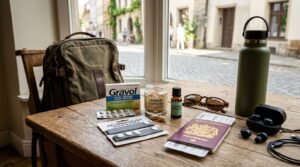
Dramamine (dimenhydrinate) works well but knocks me out completely. If you’re on an overnight bus and want to sleep through it anyway, this is honestly ideal. Take it 30 to 60 minutes before boarding. The non-drowsy version with meclizine is better for daytime rides, though I still feel slightly foggy on it.
Scopolamine patches, prescribed by a doctor, are the gold standard for severe motion sickness. You stick one behind your ear a few hours before travel, and it lasts up to 72 hours. I used these for a three-day boat and bus combo in the Philippines and felt almost normal. Talk to your doctor before your trip because you need a prescription in most countries.
Sea-Bands, those acupressure wristbands, gave me mixed results. Some rides they seemed to help. Others, nothing. They’re cheap enough to try, and they have no side effects, so I still pack them as a backup.
Peppermint oil on a cloth held near my nose helped with nausea during rides where the bus smelled terrible. It won’t prevent motion sickness, but it takes the edge off when you’re already feeling rough.
Skip the lavender aromatherapy and homeopathic motion sickness tablets. Neither did anything for me, and I gave them both multiple fair tries across different trips.
Master the Window Gaze Technique
Once you’re on the bus, what you do with your eyes makes a huge difference. Look out the window and focus on the distant horizon or a fixed point far ahead. This gives your visual system the motion cues it needs to match what your inner ear is sensing.
Never read a book on a bus. Never scroll your phone. Never look down at a map in your lap. I know it’s tempting to pass the time, but these activities are the fastest way to trigger a wave of nausea. Your eyes locked on a stationary page while your body sways through curves creates exactly the sensory mismatch your brain can’t handle.
Audiobooks and podcasts became my best travel companions after I accepted that reading on buses was permanently off limits for me. I download episodes from Spotify or Audible before every trip. Music works too, but something engaging that occupies your mind seems to distract from the early warning signs of nausea better.
If it’s a night bus and there’s nothing to see outside, close your eyes and recline as far as possible. Lying back reduces the conflicting signals because your body and brain both register a resting position. A good neck pillow helps you stay reclined comfortably. I use the Trtl pillow because it actually keeps my head from bobbing around.
Control Your Airflow and Temperature
Overheating is a massive nausea trigger. Buses in tropical countries often blast the AC to arctic levels, while buses in cooler regions sometimes feel stuffy and warm. Neither extreme helps.
Dress in layers so you can adjust. Crack the window if yours opens. If you’re on a modern coach with overhead vents, point yours directly at your face and keep the air flowing. Fresh, cool air on your skin reduces nausea symptoms noticeably.
I carry a small rechargeable handheld fan now, specifically for buses without good airflow. It sounds silly until you’re 4 hours into a stuffy ride through Central America with no AC and you’re the only comfortable person on the bus. The one I use is a cheap clip-on USB fan that charges from a power bank. Worth every penny.

Build Buffer Days Into Your Itinerary
Here’s a planning tip I wish someone had told me years ago. Never schedule anything important on the same day you arrive after a long bus ride. No tours, no hikes, no dinner reservations you care about.
Even with all the right preparation, some rides still hit hard. You might step off the bus feeling drained, slightly nauseous, or just mentally spent from hours of managing your symptoms. Give yourself recovery time. Plan an easy afternoon at your destination, maybe just checking into your accommodation and taking a walk.
This also reduces pre-trip anxiety. When I know I have a buffer day, I stress less about the ride itself, and stress genuinely makes motion sickness worse. The psychological component is real. If you board the bus already anxious about getting sick, your body responds to that fear by ramping up the exact symptoms you’re dreading.
Pack a Motion Sickness Survival Kit
I never board a long bus without a small kit in my daypack. Everything in it fits in a quart-sized ziplock bag, and it has rescued me on more rides than I can count.
My kit includes: ginger candies, Dramamine (both regular and non-drowsy), Sea-Bands, a plastic bag (just in case), wet wipes, peppermint oil, a small water bottle, and earbuds for audiobooks. I also keep a light scarf that I can use to block smells or cover my eyes during night rides.
Having this kit packed and accessible means I never scramble at a bus station looking for a pharmacy. In plenty of small towns across South America and Southeast Asia, finding Dramamine at the last minute simply isn’t an option. Prepare at home before you leave.
FAQs
Does sitting by the window help with motion sickness on buses?
Absolutely. A window seat lets you look outside and focus on distant, stable points, which helps your brain process the motion. Aisle seats trap your vision inside the bus, worsening the sensory mismatch. Always pick the window, preferably in the front three rows. I consider this non-negotiable for any ride over an hour.
Can you build tolerance to motion sickness over time?
Some people do gradually adapt with repeated exposure, but it’s not guaranteed. I’ve gotten slightly better over years of bus travel, though I still need precautions on winding routes. Desensitization therapy exists, where you expose yourself to short bursts of motion gradually. But honestly, good planning and preparation work faster than waiting for your body to adjust.
What’s the best medication for motion sickness on long bus rides?
For most people, meclizine (non-drowsy Dramamine) is a great starting point for daytime rides. Scopolamine patches work best for severe cases and multi-day travel, but require a prescription. I recommend talking to your doctor before your trip so you can test medications at home first and know how they affect you personally.
Should I avoid eating completely before a bus ride if I get motion sick?
No, skipping meals usually makes things worse. Low blood sugar intensifies nausea. Eat a light, bland meal about 90 minutes before departure. Crackers, bananas, plain rice, and toast all work well. Avoid anything greasy, spicy, or acidic. Small ginger candies during the ride help settle your stomach too.
How does travel planning for people who get motion sickness differ from normal trip planning?
The biggest difference is route research. Instead of just finding the cheapest or fastest bus, you evaluate road conditions, elevation changes, and ride duration. You also factor in buffer days for recovery, pack a specific anti-nausea kit, and sometimes choose alternative transport for the roughest stretches. It takes more effort upfront, but it protects the entire trip.
Conclusion
Motion sickness doesn’t have to shrink your world or keep you from the places you want to see. It just means your travel planning needs a few extra layers that most people never think about. What’s the one tip from this list you’re going to try on your next bus ride?