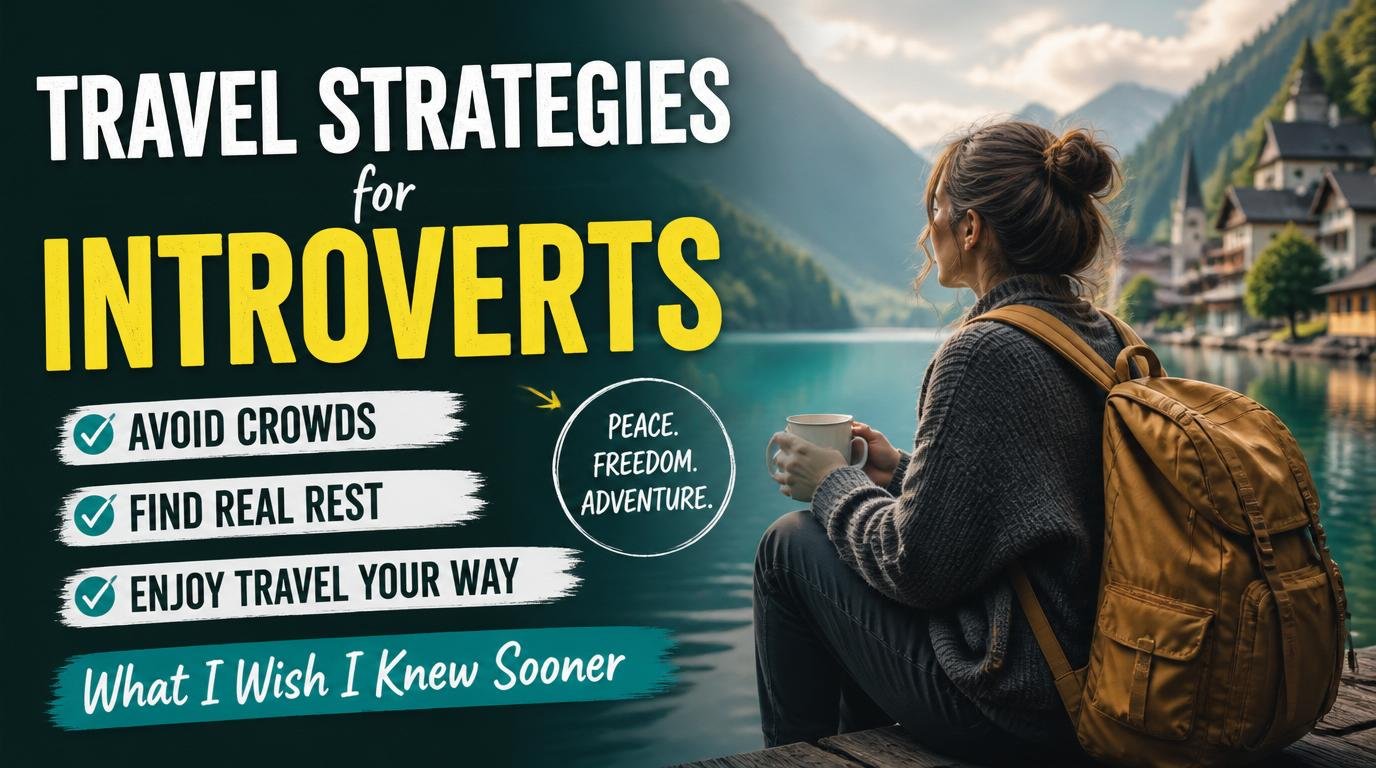
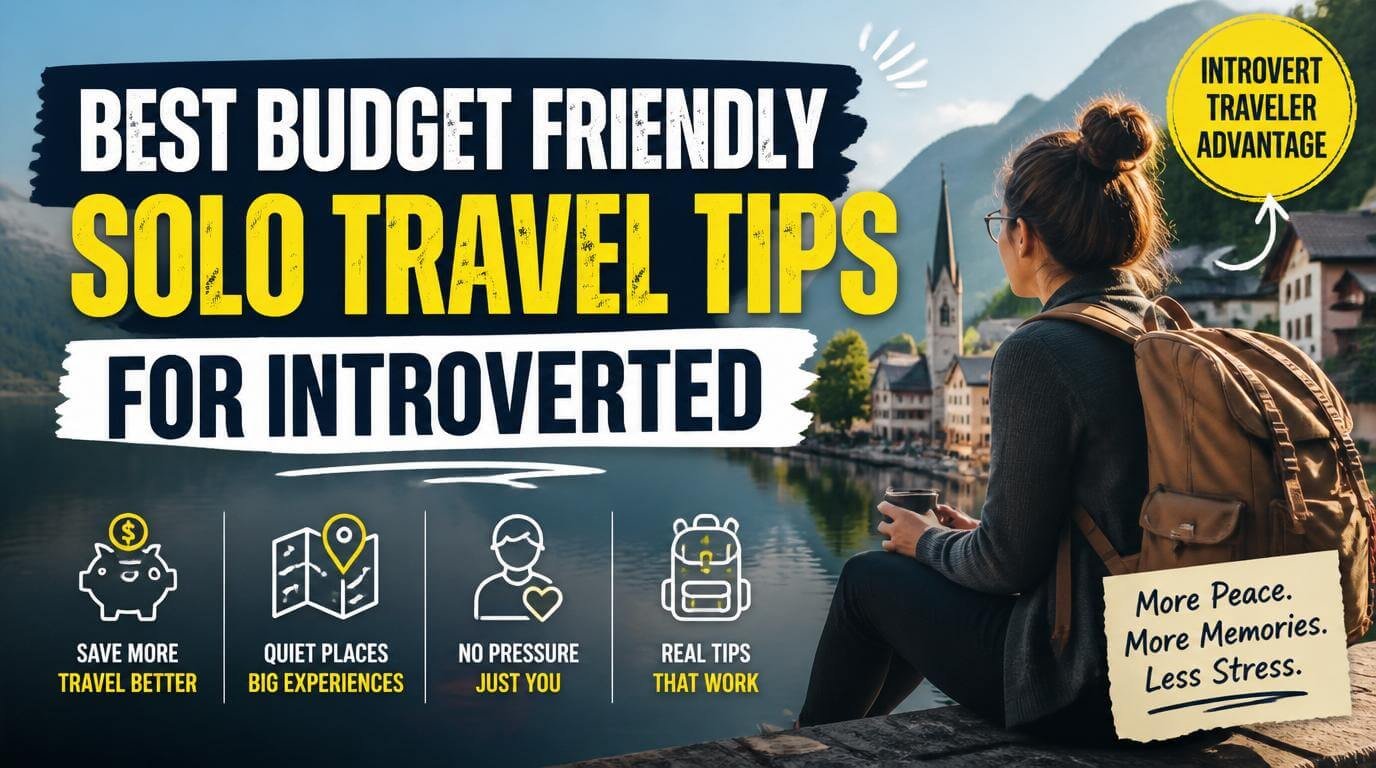
The best budget friendly solo travel tips for introverted first time backpackers aren’t about forcing yourself to be someone you’re not. They’re about building a trip around who you already are. I spent my first solo trip pretending I was an extrovert, and I burned out by day three. It took a complete reset to figure out that quiet travelers actually have a huge advantage when it comes to saving money and having a richer experience on the road.
1. Pick Destinations Where Quiet Is the Default
Not every destination rewards the loud, social traveler. Places like Portugal, Japan, Slovenia, and northern Thailand naturally suit people who prefer calm over chaos. Smaller towns and rural areas tend to cost less, too.
I spent two weeks in the Alentejo region of Portugal and spent roughly 40% less than I would have in Lisbon. The pace was slower, locals were warm but not pushy, and I never once felt pressured to join a pub crawl. Look for destinations where the culture itself values personal space and understated interactions. You’ll feel at home faster, and your wallet will thank you.
2. Stay in Private Rooms at Hostels, Not Hotels
Here’s something most first time backpackers don’t realize: many hostels offer private rooms that cost a fraction of a hotel. Booking a private room at a hostel on Hostelworld or Booking.com gives you the social safety net of a common area without the forced intimacy of a shared dorm.
I used to think hostels meant bunk beds and zero privacy. Wrong. A private room at a well-reviewed hostel in Southeast Asia can run you $12 to $20 a night. You get your own door to close when you need to recharge. When you feel social, the kitchen or lounge is right there. No pressure either way.
3. Cook Your Own Meals at Least Half the Time
Eating out every meal adds up shockingly fast, even in cheap countries. Most hostels and guesthouses have kitchens, and local markets sell fresh produce for almost nothing. Cooking is also a perfect introvert activity.
I’d hit a morning market, buy vegetables, bread, cheese, and sometimes local sausages, then make simple meals at the hostel. In Guatemala, I ate like a king for under $5 a day when I cooked. The bonus? Kitchen conversations happen naturally and quietly. No one expects you to be the life of the party while you’re chopping onions. It’s one of the most underrated budget friendly solo travel tips out there.

4. Travel Slowly Instead of Rushing Between Cities
Moving between cities burns money. Every bus ticket, train fare, or budget flight chips away at your funds. Slow travel means fewer transit costs, and it also means less sensory overload for introverts who get drained by constant change.
When I stopped trying to “see everything” and spent a full week in Chiang Mai instead of three days, my daily spending dropped by nearly half. I found a favorite coffee shop, learned which street vendor made the best pad see ew, and actually felt rested. Rushing is expensive and exhausting. Staying put is cheap and peaceful.
5. Use Free Walking Tours on Your Own Terms
Free walking tours exist in almost every major city, and they work on a tip-based model. You pay what you feel the experience was worth. For introverts, the beauty is that you can hang at the back of the group, listen, learn, and leave without any awkward goodbye.
I did a Sandemans tour in Berlin and tipped €10 for a three-hour experience that would have cost €40 with a private guide. Nobody asked me to introduce myself. Nobody made me pair up. I just walked, listened, and absorbed. If the group energy gets too much, you can quietly peel off after the first hour. No one notices, and no one cares.
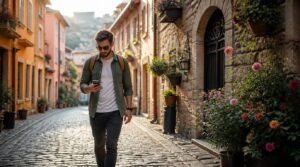
6. Download Offline Maps and Translation Apps Before You Go
Being introverted on the road means you probably won’t love asking strangers for directions every ten minutes. Google Maps lets you download entire city maps for offline use. Google Translate lets you download language packs so you can translate menus, signs, and conversations without Wi-Fi.
These two free tools saved me from dozens of stressful interactions. I navigated the Tokyo subway system entirely on my own using offline maps, and I ordered food in rural Mexico using the camera translation feature. Zero awkward exchanges. Zero getting lost and panicking. Preparation like this costs nothing and protects your energy in ways that really matter.
7. Book Accommodation with a Cancellation Policy
Plans change, especially when you’re a first time backpacker still figuring out your rhythm. Always book places with free cancellation when possible. Booking.com flags these clearly, and Hostelworld often offers flexible options too.
I once booked a “social party hostel” in Barcelona because it was cheap. One look at the reviews after booking told me it would be my nightmare. Free cancellation saved me. I rebooked a quieter guesthouse two streets away for only €4 more per night. That flexibility kept my budget intact and my sanity even more so. Never lock yourself into a stressful situation just to save a few dollars.
8. Budget Friendly Solo Travel Tips for Introverted First Time Backpackers: Pack Light
Packing light isn’t just practical. It’s a financial strategy. Airlines charge for checked bags. Taxis cost more when you have heavy luggage. And dragging a massive suitcase through cobblestone streets while overstimulated is a special kind of misery.
I traveled for six weeks through Europe with a 40-liter Osprey Farpoint. Everything I needed fit inside, and I never paid a single baggage fee on Ryanair or EasyJet. A capsule wardrobe of neutral, quick-dry clothes works perfectly. Pack merino wool base layers from brands like Uniqlo or Smartwool. They don’t smell, they dry fast, and you can re-wear them without judgment. Less stuff equals less stress equals more money for the things that actually matter.
9. Use Public Libraries, Parks, and Cafes as Free Recharge Spots
Every introvert needs a place to disappear for a few hours. Public libraries are free, quiet, air-conditioned, and often have Wi-Fi. Parks give you space to sit alone without anyone questioning why you’re not “doing something.”
In Vienna, I spent an entire afternoon in the Austrian National Library reading and journaling. It cost me nothing and recharged me completely. In Bangkok, Lumpini Park gave me two hours of silence in the middle of a chaotic city. These spots are everywhere if you look. They save you from spending money at restaurants or attractions just because you feel like you “should” be doing something.

10. Set a Daily Budget and Track It with an App
Without a daily budget, money disappears. I use Trail Wallet (a one-time purchase of about $5) to log every expense by category. Seeing my daily average keeps me honest without making me obsessive.
For Southeast Asia, I set $30 a day. For Eastern Europe, $45. For Western Europe, $60. These included accommodation, food, transport, and one activity. On days I stayed under budget, I’d roll the savings into a “treat fund” for a nice meal or experience later in the trip. Tracking doesn’t have to feel restrictive. It actually gives you freedom because you always know exactly where you stand.
11. Say No to Group Activities That Drain You
This is the tip nobody talks about. Other backpackers will invite you to group dinners, bar crawls, island hopping tours, all kinds of things. Some of these sound fun. Some will quietly terrify you. You are allowed to say no.
I turned down a group snorkeling trip in Thailand because I knew eight hours on a boat with strangers would wreck me for two days afterward. Instead, I rented a kayak alone for $8 and explored the same coastline at my own pace. It was cheaper, quieter, and honestly more memorable. Protecting your energy isn’t antisocial. It’s smart travel.
12. Travel During Shoulder Season for Lower Prices and Fewer Crowds
Peak season means higher prices and wall-to-wall tourists. Shoulder season, the weeks just before or after peak, gives you the same weather with 30-50% lower costs and significantly fewer people. For introverts, fewer crowds alone is worth the timing shift.
I visited Croatia in early October instead of July. My Airbnb in Split cost €25 a night instead of €60. Restaurants weren’t packed. I could walk Diocletian’s Palace almost alone in the morning. The water was still warm enough to swim. Shoulder season is genuinely one of the best budget friendly solo travel tips for introverted first time backpackers because it solves two problems at once.
Frequently Asked Questions
Is solo backpacking safe for introverts who prefer to avoid crowds?
Absolutely. Introverts often make safer travelers because they tend to be more observant and less impulsive. Stick to well-reviewed accommodations, keep offline maps downloaded, and trust your gut about situations that feel off. Quiet doesn’t mean vulnerable. Many experienced solo travelers identify as introverts and travel safely for months at a time across dozens of countries.
How do I meet people without forcing myself into social situations?
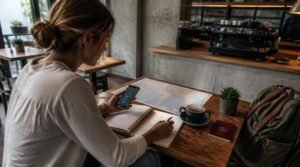
Hostel kitchens and co-working cafes are your best friends. Conversations happen naturally when you’re cooking or working nearby. You don’t need to attend organized events. Some of my best travel friendships started with someone asking to borrow salt or share a power outlet. Low-pressure environments create the most genuine connections.
What’s the cheapest region for a first time introverted backpacker?
Southeast Asia remains the most affordable region for backpackers in 2024. Countries like Vietnam, Cambodia, and Laos offer daily budgets under $25 including accommodation, food, and transport. These places also tend to have a relaxed cultural pace that suits quieter travelers well. Portugal and Guatemala are strong alternatives outside Asia.
Can I follow budget friendly solo travel tips for introverted first time backpackers and still have a social trip?
Yes, completely. Being introverted doesn’t mean avoiding people altogether. It means managing your energy so social time feels good instead of forced. Plan one or two social activities per week and keep the rest of your schedule flexible. You’ll actually enjoy the social moments more when you’re not running on empty from constant interaction.
Do I need travel insurance even on a tight budget?
Always get travel insurance. SafetyWing offers plans starting around $45 per month, which is incredibly reasonable. One medical emergency abroad without insurance can cost thousands of dollars and end your trip immediately. It’s a non-negotiable expense, even on the tightest budget. Think of it as the one thing protecting everything else you’ve saved for.
Conclusion
Solo backpacking as an introvert on a budget isn’t about doing less or missing out. It’s about designing a trip that actually fits who you are, then watching it cost less because of it. What’s the one thing holding you back from booking that first trip?